one founder's story · Zinn Hub
Natalie Lock and the story of Zinn Hub
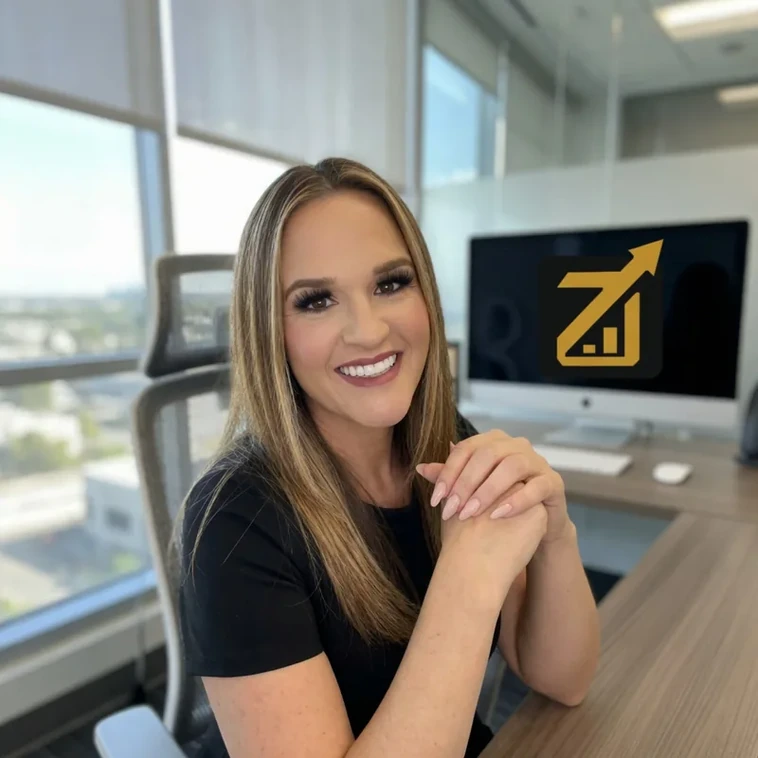
By Natalie Lock, Co-founder · United Kingdom
posted , updated · 3 min, roughly
How it started
We built Zinn Hub because we had been on both sides of the platforms. Neil and I were freelancers, and we hired freelancers too. As sellers we were giving away 20%, waiting on payouts, and sometimes paying just to apply for work. As buyers we wanted to find the right person and get the job done, but the platforms got in the way: high fees, slow support, and skilled freelancers losing out to whoever wrote better English. We were tired of a system that treated both sides like inventory. So in 2025 we started building the marketplace we wished had existed when we were the ones freelancing and hiring.
The problem
The problem was the marketplace, not the freelancers. Sellers were giving away about 20% of every job, waiting weeks to be paid, and on some sites paying just to apply. Buyers were paying fees on top of the price, and still struggling to find the right person, because a listing in imperfect English lost to a weaker one written better. Skilled freelancers outside English-speaking countries lost work. Buyers lost access to them, and paid extra for the privilege. Before Zinn Hub, people lived with it: they stayed on Fiverr or Upwork, wrote listings in English they did not think in, or hired only people who already shared their language.
What we built
We built Zinn Hub, a freelance marketplace where buyers pay no fee and sellers keep 100% of their first $500, then as little as 7–8%. You can buy a fixed-price Zinn, try a $5–$20 Micro Zinn, post a project and get free proposals, or invite someone from the directory. What is different is the language. Listings, messages, reviews, and the text inside images are translated both ways across 46 languages, and live calls carry captions or a spoken translated voice. A freelancer writes in the language they think in. A buyer reads it in theirs. The skill wins the job, not the grammar. Freelancers are identity-checked before they list, and payment sits in escrow.
The hard parts
The hard part was the ambassador programme. We launched it with a leaderboard, and ambassadors earned extra for the freelancers they referred. It looked like a fair reward for people spreading the word. It was not. We got a wave of referral fraud: ungenuine sign-ups created only to put money in an ambassador’s pocket, not freelancers who meant to sell. We had to pull the leaderboard bonuses and restructure the programme so a referral only counted when it was a real freelancer, not a name on a list.
Milestones
Everyone said we would never compete with Fiverr and Upwork. Two people, up against marketplaces that have been there for years. Here we are with a working global marketplace, freelancers and buyers in dozens of languages, and it is growing. In 2026 that work was recognised twice: Best Multilingual Freelance Marketplace in the United Kingdom, from Best of Best Review, and UK Freelance Marketplace of the Year, from 365 Awards. The thing we are proudest of is simpler than the trophies. People who do not share a language are finding each other and getting the work done.
What's next
What comes next is more of the same, on purpose. Keep growing the marketplace: more freelancers, more buyers, more countries where someone can list in their own language and still get hired. We are not trying to become a bigger version of the platforms we left. We want Zinn Hub to be the place people choose because the fees are fair and the language does not get in the way. The work now is to keep earning that, one real order at a time.